
The History of Student Protests
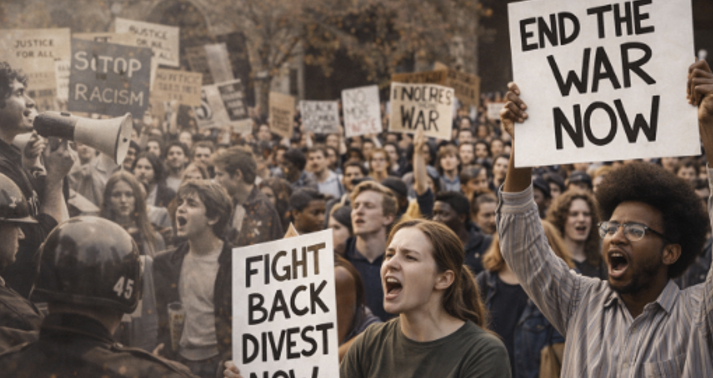
If you look closely at the architecture of our campus, you can actually see the scars and the victories of past generations of students. Those brick plazas that seem so peaceful today were often the sites of massive stand-offs over civil rights, anti-war movements, or labor strikes. Student activism is not just a phase or a hobby; it is the primary engine that has pushed universities to become more inclusive and socially responsible over the last century. We are walking in the footsteps of people who were willing to risk their degrees to stand up for what they believed in.
From the Free Speech Movement in the sixties to the divestment campaigns of today, student voices have always been the moral compass of the academic world. Administrations often push back at first, citing “campus disruptions” or “budgetary constraints,” but history usually shows that the students were on the right side of the argument. Whether it was demanding Black Studies departments or fighting for better pay for campus workers, these movements are what transformed the university from an elite ivory tower into a space that at least tries to engage with the real world.
Understanding this history is empowering because it reminds us that we are not just “customers” of a university. We are its primary stakeholders. We have the right and the responsibility to question how our tuition money is spent and what kind of research our institutions are supporting. The next time you see a protest on the quad, remember that the very rights we enjoy today were likely won by a group of students who decided that “business as usual” was no longer an option.